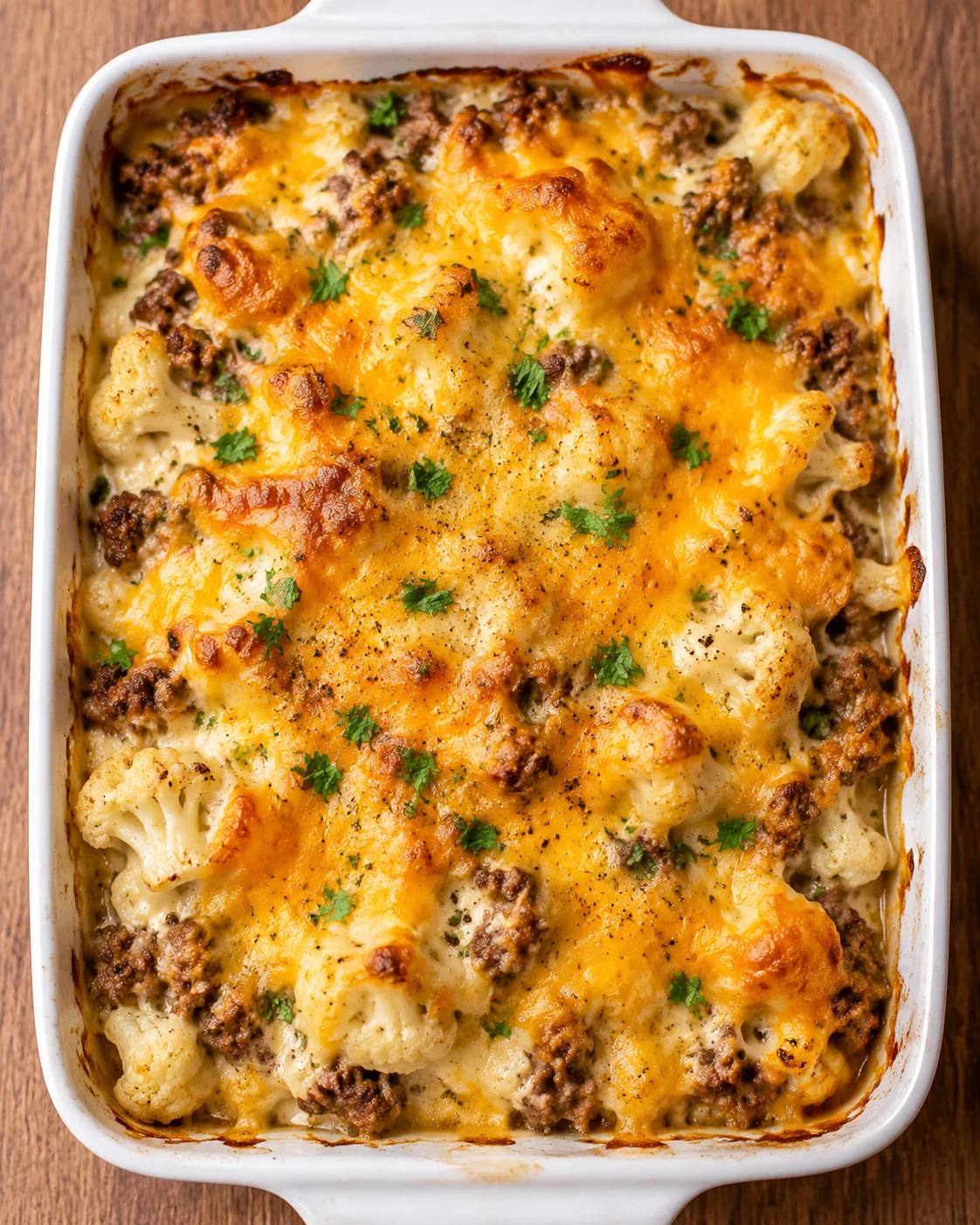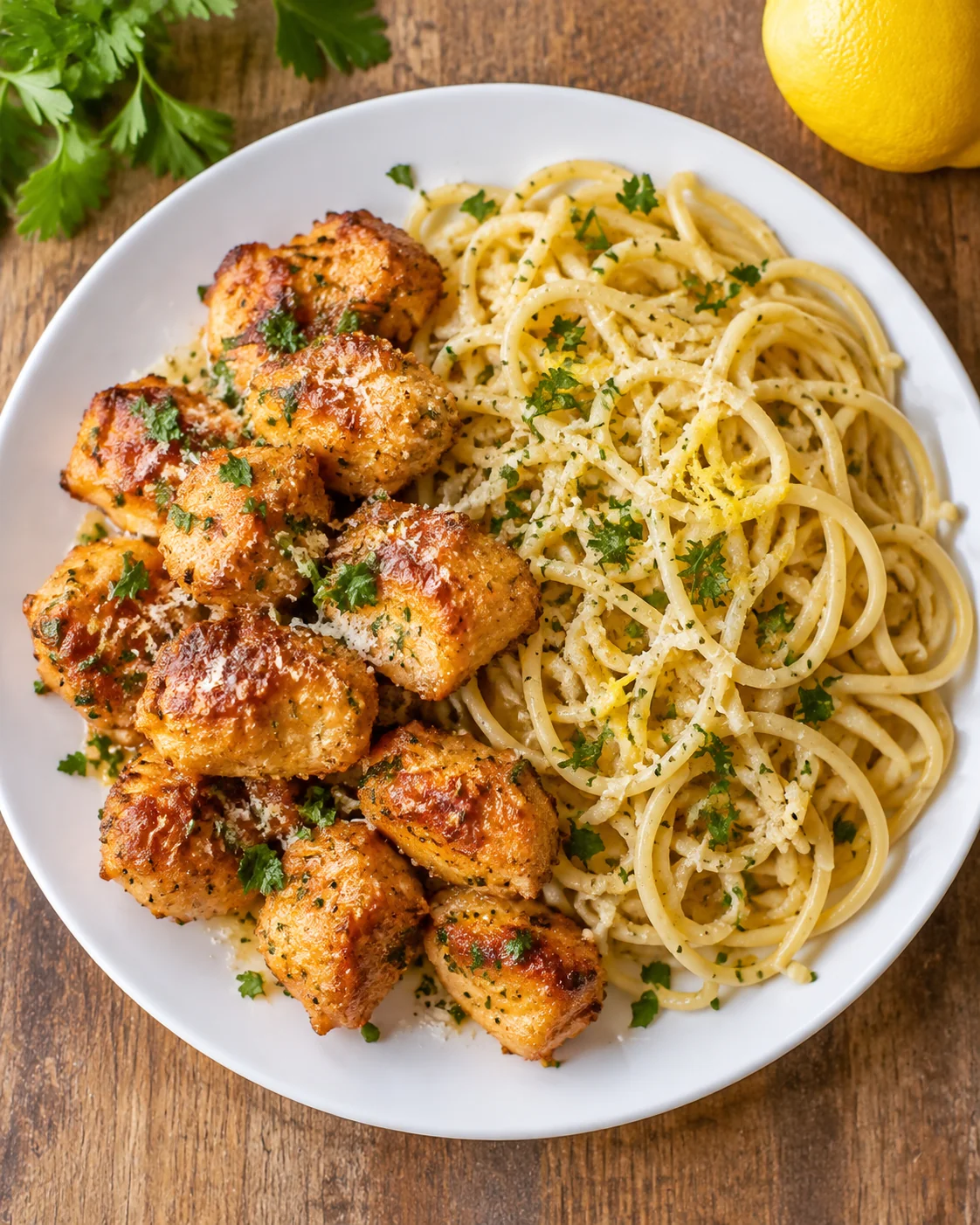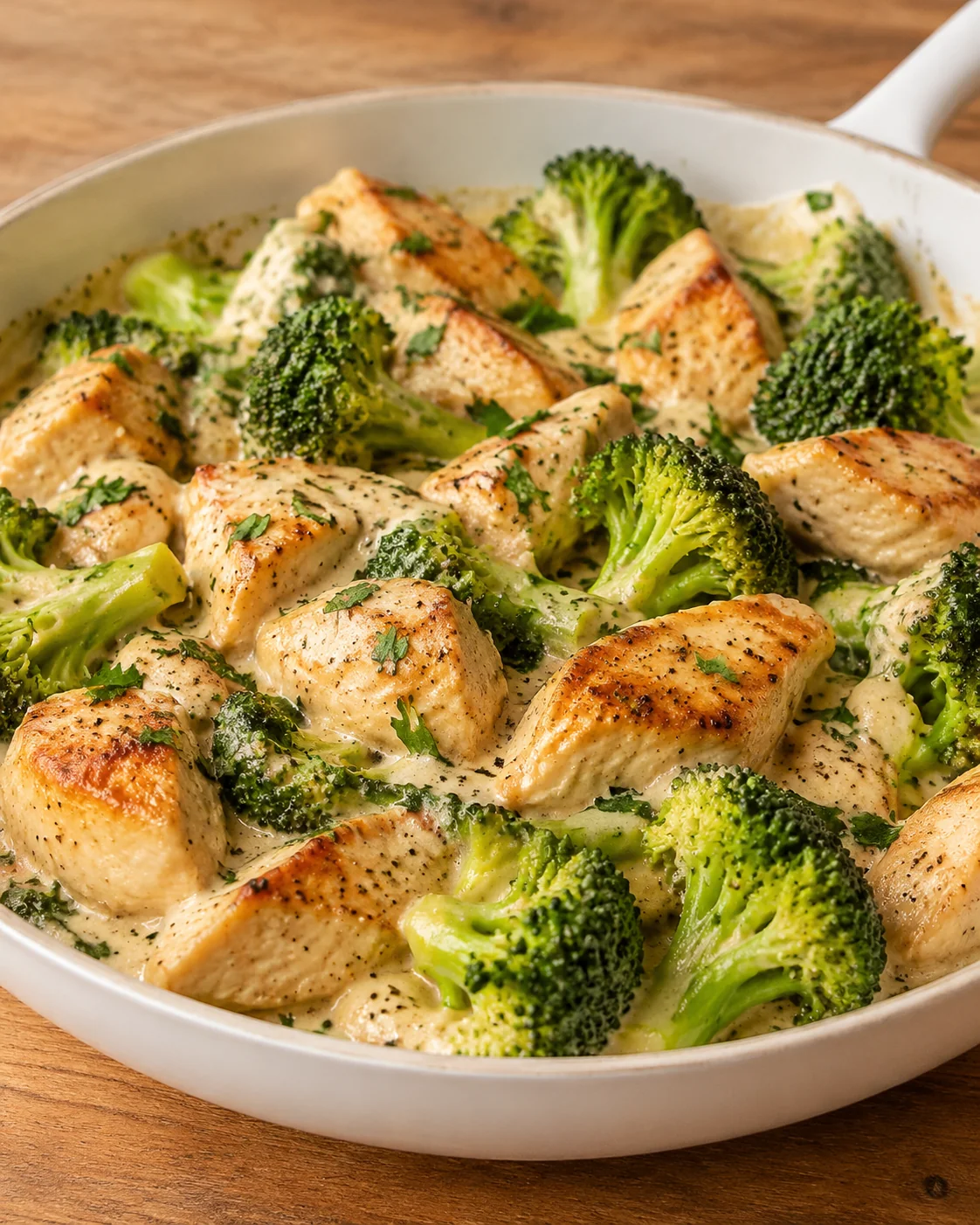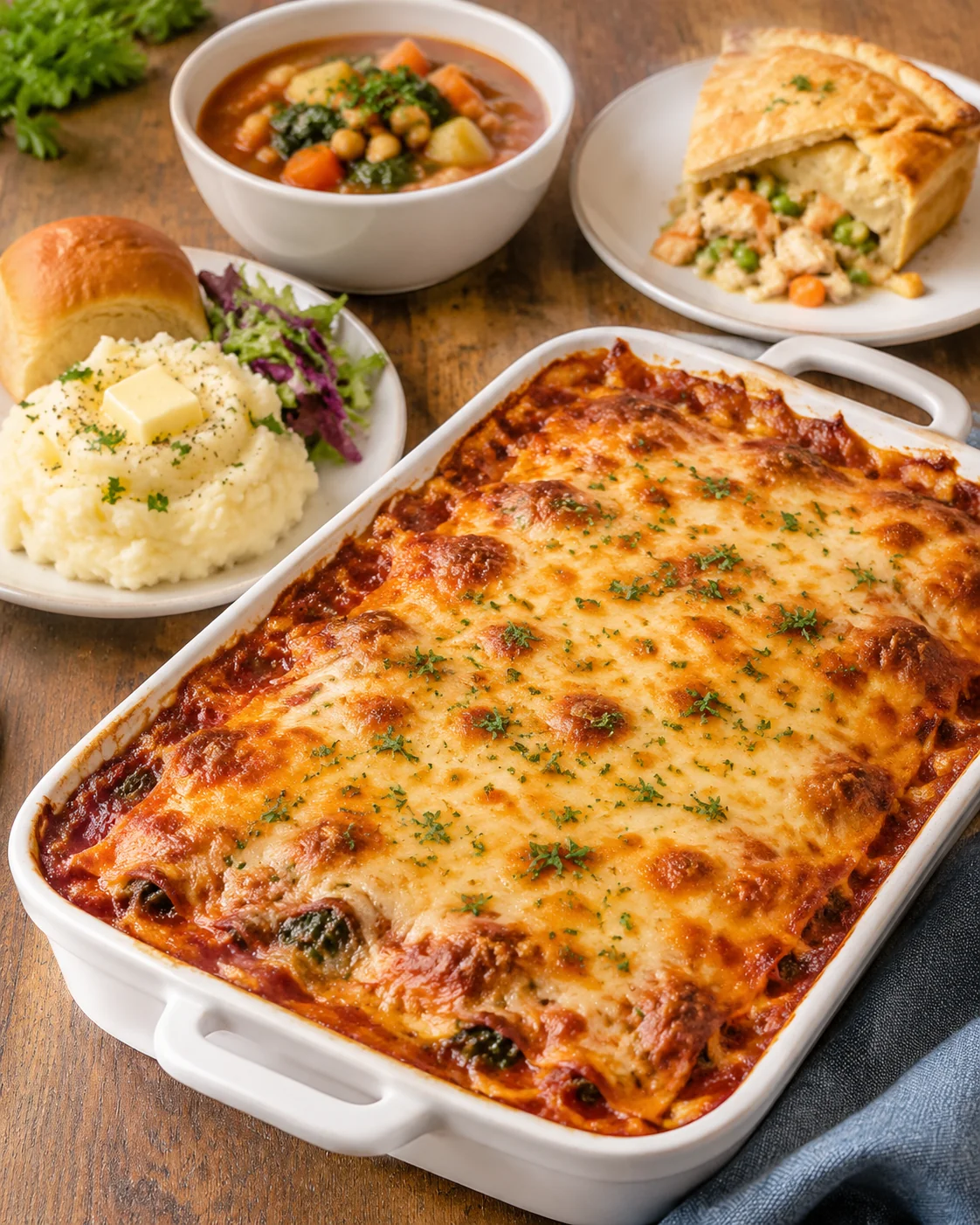
Easy Winter Dinners - Winter Comfort Food Recipes make cold nights something to look forward to. You get fork-tender meats, bubbling casseroles, and soups you can smell from the hallway. Dishes like these land on your table hot and hearty just when the evenings get longest, holding in the warmth after a short walk home or a snow-shoveling session. These are the meals you make when you want leftovers to look forward to all week and the oven warms up more than just your dinner.
The catch with most winter comfort food is that it either ties you to the stove with endless stirring, or it tastes one-note when rushed. This collection gets around both problems: everything happens in one pot or dish, slow-cooked when you have the time, or made ahead in pieces for a weeknight finish. You get deep flavor from hours in the oven or a single simmer, but never have to juggle three pans after work.
Why You'll Love This Recipe
- One-pot prep cuts cleanup — Each recipe uses a single Dutch oven or dish, so you’re not scrubbing a pile of pans when all you want is to eat and sit.
- Make-ahead flexibility — Most meals can be fully cooked, cooled, and reheated, or assembled earlier in the day to bake off fresh at dinnertime.
- Deep flavors with simple steps — Slow simmering in the oven or on the stove does the work for you, unlocking richer taste from basic winter vegetables and tougher cuts of meat.
- Family-friendly builds — Saucy bakes and stews are easy to stretch—double the root veggies, or swap in beans for a filling, budget dinner that still feels cozy.
Ingredients & Substitutions
Serves 4
For the Base
- 2 tablespoons olive oil — Sauté base; use canola or sunflower oil instead for a neutral flavor, but avoid butter as it can burn during browning.
- 1 large yellow onion, diced — Builds sweetness and rounds out the sauce; leeks work if you have them, but red onions make the result sweeter and a little less classic.
- 3 medium carrots, peeled and sliced — For sweetness and color; use parsnips for a sharper edge, but the texture will be softer.
- 3 sticks celery, chopped — Adds depth; if skipped, the stew will lack that back-note you get in classic winter meals.
For the Protein
- 1–1.25 lbs (450–550g) boneless chicken thighs OR stewing beef — These cuts break down to fork-tender meat after slow baking; you can use tofu (400g, pressed and cubed) for a vegan option, but do not use chicken breast as it dries out by the end of cooking.
Aromatics & Seasoning
- 3 cloves garlic, minced — Gives sharpness; jarred is fine here since it simmers for so long.
- 2 teaspoons salt — Essential for bringing out flavor; reduce to 1 teaspoon if your stock is very salty.
- 1 teaspoon dried thyme — Adds earthiness; rosemary can substitute, but use only 1/2 teaspoon as it’s stronger.
- 1/2 teaspoon black pepper — Gives gentle heat; fresh-cracked makes a difference here.
Liquid & Bulk
- 2 cups low-sodium chicken or vegetable broth — Feeds flavor into every bite; water will work, but you lose richness.
- 1 cup diced tomatoes (canned is fine) — Balances sweetness and gives body; tomato sauce can substitute, or roasted red peppers for a twist, but skip these if you dislike acidity.
- 2 cups waxy potatoes, cut in chunks — Yukon Golds hold together without mush; russets fall apart, so only use them if you like the stew thicker.
Optional Add-ins
- 1 cup frozen peas — Stirred in at the end for color and sweetness; green beans (cut small) can swap in, but add them halfway through the cook time so they soften up.
How to Make Easy Winter Dinners - Winter Comfort Food Recipes
Step 1: Brown the Base and Protein
Set a large Dutch oven over medium-high heat and add the 2 tablespoons olive oil. When the oil shimmers and runs thin, scatter in the onion, carrots, and celery. Stir often for about 4–5 minutes, until the onion goes clear and smells sweet, not raw. Push the vegetables to the edges, space the chicken thighs or beef cubes in a single layer in the middle, and let them brown without moving for 3–4 minutes. Flip once: look for deep golden on the first side and spots of fond sticking to the bottom. Too much stirring here and you lose that flavor.
Step 2: Build Aromatics and Seasoning
Sprinkle on the minced garlic, salt, thyme, and black pepper. Stir to coat and let sizzle for 1 minute until the garlic just softens and you can smell the thyme. If anything starts to stick hard or turn dark, lower the heat — you want golden, not burnt.
Step 3: Add Bulk and Liquid
Tip in the diced tomatoes (with their juices), the broth, and the potatoes. Use a wooden spoon to scrape up any brown bits from the bottom of the pot as you stir. Bring to a strong simmer — you should see several bubbles burst at the edge every few seconds, not a rolling boil.
Step 4: Simmer or Bake for Depth
If making a stew: Turn the heat to low, cover, and let it barely bubble for 40–60 minutes. For a casserole: Cover the Dutch oven with a tight lid and transfer to a 350°F (175°C) oven for the same amount of time. At the midway point (about 25 minutes), open and give a gentle stir, making sure nothing is sticking. It’s ready when the potatoes are soft enough to squish with a fork and the meat falls apart when pressed with a spoon.
Step 5: Final Add-Ins and Resting
Add the frozen peas in the last 5 minutes of cooking. Leave the pot off the heat, lid on, for 10–15 minutes before serving. This rest lets the stew thicken slightly and the flavors come together. The sauce should coat a spoon but still be loose, not gloppy.
Step 6: Serve and Store
Ladle into bowls, fishing up a mix of meat, vegetables, and broth. If you want to freeze portions, cool them fully first: within an hour of coming off heat, pack into airtight containers. Keeps best in the fridge for up to 4 days, or in the freezer up to 3 months. Reheat gently, adding a splash of broth or water if it thickens too much.
How to Serve Easy Winter Dinners - Winter Comfort Food Recipes
Nothing makes cold nights better than sharing a hearty, bubbling meal straight from the oven. These winter comfort food recipes cook in a single pot or baking dish and are built for flexible serving, whether at a weeknight table or on a weekend spread. With dishes that hold their temperature and flavor, knowing the best way to serve each one makes a real difference.
Serving Ideas
- Serve piping hot, 10–15 minutes after resting — Scooping a stew or casserole right after it comes out bubbling gives soupy pools instead of clean portions. The short rest lets flavors settle so you can ladle or lift out pieces that hold together.
- Use shallow soup bowls for thick stews and chilis. The wider surface cools each portion just enough, so kids and adults don’t wait forever to start eating, and toppings like fresh herbs or cheese scatter evenly.
- Portion casseroles with a wide, flat spatula — This keeps cheesy or saucy layers intact and lifts a full serving, not a crumbled edge, onto the plate. For pot pies, slip in from the side and twist under the crust to get both top and filling in each scoop.
- Batch for weekday lunches by dividing leftovers into single-serving containers as soon as dinner is finished. Saucy dishes reheat without drying out and flavors deepen overnight.
What to Serve Alongside
- Crusty Bread — Torn hunks of bread are perfect for soaking up stew or casserole juices, adding chew against soft vegetables and tender meats.
- Sharp Green Salad — Bitter greens tossed with lemon or a mustard vinaigrette jump out against the richness of creamy, slow-cooked mains.
- Pickled Vegetables — Quick-pickled onions or carrots cut through heavy sauces with acidity and snap, clearing the palate bite after bite.
- Roasted Winter Root Veggies — Roasting carrots, parsnips, or sweet potatoes at high heat brings concentrated sweetness that balances savory braises or bakes.
- Sautéed Greens with Garlic — Spinach or kale wilted with garlic and olive oil brings deep green flavor and just enough bite alongside hearty stews.
- Apple or Pear Chutney — A tart fruit condiment adds sweet-sharp contrast to anything involving sausage or roast meats.
 Pin it
Tips for the Best Easy Winter Dinners - Winter Comfort Food Recipes
Getting the most out of winter comfort recipes comes down to timing, layering flavor, and making sure textures land just right. A few kitchen-tested tricks help every dish in this collection come out like you pictured it.
- Don’t rush the simmer — 45 minutes minimum. Stews and braises need at least this long at a low bubble for root vegetables to turn buttery and for meat fibers to break down into fork-tender bites. Cutting it short means tougher chunks and underdeveloped broth.
- Layer salt and acid as you build. Adding a pinch of salt at the vegetable-sweating stage, then finishing with a tablespoon of vinegar or lemon at the end, stops the final dish from tasting flat — especially in long-cooked meals where flavors can dull.
- Lid on for juicier casseroles, off for browned crusts — Start covered to help the sauce bubble evenly, then uncover the last 15 minutes. This gives you bubbling edges and a toasty surface without dried-out insides.
- Stir halfway through for even cooking. Dense casseroles or baked pastas can set and brown unevenly. Loosen the corners and drag a spatula through the middle at the half-hour mark for consistent texture.
- Cool at least 10 minutes before serving — Dishing up too early leads to lava-hot mouthfuls and sauces running all over the plate. The short rest tightens everything so servings come out complete and taste blended.
- Watch for too much liquid. If your stew still looks watery at the end of cooking, uncover and simmer another 5–10 minutes to concentrate it. Winter veg and meats give off more moisture than you’d think.
- Freeze in shallow layers for fast reheating. Thick stews and baked dishes go from freezer to oven or microwave best when spread no deeper than two inches — this keeps every spoonful hot, not icy, in the center.
How to Store Easy Winter Dinners - Winter Comfort Food Recipes
Refrigerator
- Store leftovers in an airtight container. This keeps soups, stews, and casseroles moist and prevents fridge odors from getting into the food.
- Most easy winter dinners with meat or cooked grains last up to 4 days chilled.
- If reheated portions start to smell sour or the sauce breaks and looks greasy, that’s when it’s time to throw them out.
Freezing Easy Winter Dinners - Winter Comfort Food Recipes
- Freeze dinners like casseroles, stews, or hearty soups in airtight freezer-safe containers or heavy-duty zip-top bags.
- These winter comfort food recipes hold up for about 3 months in the freezer. Write the date right on the lid so you’re not guessing later.
- Defrost in the fridge overnight for best texture; if you see a thick layer of ice crystals or the sauce separates badly on thawing, the texture will be mushy after reheating.
Reheating Easy Winter Dinners - Winter Comfort Food Recipes
- Reheat casseroles or stews in a covered baking dish at 350°F (175°C) for 20-30 minutes, until bubbling and piping hot in the center. For soups, use a pot over medium-low, stirring now and then.
- Microwaving a single serving? Cover and use medium power for 2-4 minutes, stirring halfway through.
- Avoid reheating more than once—each round dries the food out and dulls the flavor.
Frequently Asked Questions
When cooking winter meals ahead, questions come up about freezing, reheating, portioning, and results. Here are honest answers for easy winter dinners and classic comfort food recipes.
Can I prepare Easy Winter Dinners - Winter Comfort Food Recipes ahead of time?
Most winter casseroles, soups, or roasts benefit from sitting overnight in the fridge—the flavors deepen, and the texture often improves the next day. Prep the full dish, cool it to room temperature, and store in the fridge. Reheat right before serving; don’t skip the resting time after baking, as it makes slicing neater.
How do I freeze a big casserole or stew for later?
Let the cooked food cool fully before sealing it in a freezer-safe container. Freeze in two-person portions if you don’t want to reheat the whole thing at once. Always press a piece of parchment or plastic wrap against the surface of casserole dishes; it stops freezer burn.
What’s the best way to stop my winter comfort food recipes from drying out on reheating?
Always cover the dish when reheating in the oven—foil or a lid traps the steam so the top doesn’t turn leathery. Stir soups and stews halfway through microwaving to avoid cold spots.
Are there easy winter dinner ideas my vegetarian family members will like?
Hearty vegetarian comfort foods always use beans, lentils, or frozen winter vegetables for both richness and good keeping quality. Bulk up vegetarian recipes with extra root veggies, canned beans, or a handful of frozen peas—they stay just as satisfying after reheating.
Can I halve these winter comfort food recipes?
Yes, most winter casseroles and stews halve cleanly. Use a smaller Dutch oven or an 8x8-inch dish for half amounts; keep the oven temperature at 350°F (175°C), but start checking for doneness about 15 minutes earlier.
Final Thoughts
Having a stash of easy winter dinners – winter comfort food recipes means colder nights never leave you scrambling for a plan. Whether you love a slow-simmered stew or the speed of a sheet pan bake, these hearty meals flex for your family’s tastes—swap proteins, tuck in extra vegetables, or freeze whatever is left for a busy week. Try a few, mix up the ingredients, and you’ll have a cozy, satisfying winter meal any day you need it.